
Mobile games containing massive assets present unique challenges to mobile operating systems. NBA 2K20 Mobile requires gigabytes of space to store animations, soundtracks, textures, and physics data. To understand how the game operates, it is helpful to look closely at how the Android operating system manages directories, handles scoped storage, and executes read/write protocols on modern flash storage systems.
For players seeking verified and complete installation packages, resources like https://nbaapk.com/ provide the required files and structured guides. Understanding how these files interact with your device's storage architecture is key to achieving optimal performance. This guide covers file systems (ext4 vs. F2FS), folder structures, scoped storage permissions, and modding directories, explaining how to keep your setup running smoothly.
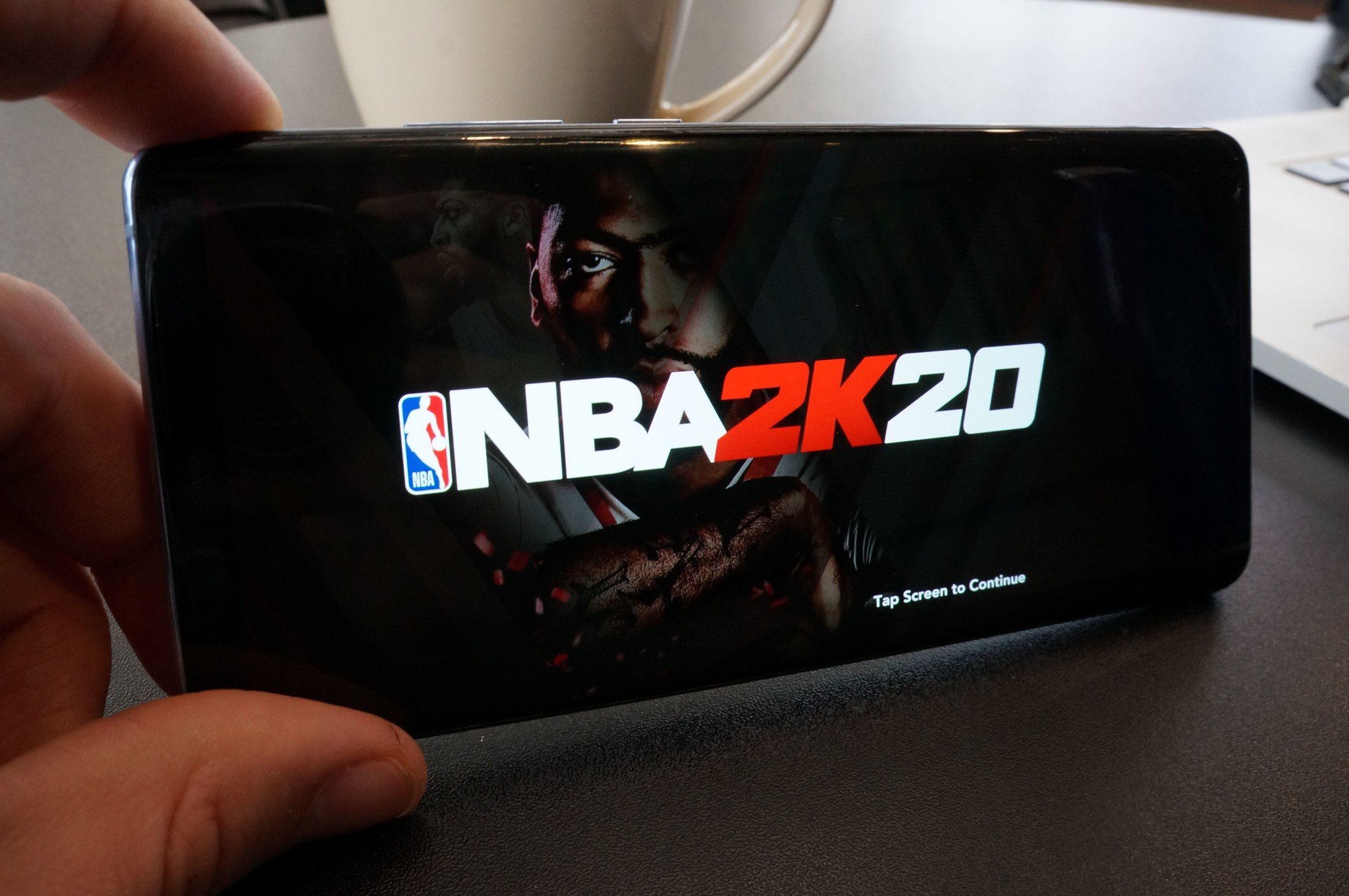
Smartphone internal storage utilizes flash memory, which operates differently than traditional computer hard drives. To manage this memory, the operating system relies on file systems. While older Android devices used the ext4 standard, modern Android devices utilize the Flash-Friendly File System (F2FS), developed by Samsung specifically for flash storage.
F2FS is optimized for the physical characteristics of flash storage, offering faster random write and read speeds. In NBA 2K20, this performance boost translates to faster loading times and reduced in-game texture streaming lag. When a game engine requests visual assets during gameplay, F2FS helps retrieve them quickly, preventing stutters during fast-paced play.
When you install the game, the system distributes files across separate storage areas to balance system security and user access. The three primary directories are:
Located in the private system storage at `/data/app/`, this folder contains the base APK file and native executable code. This directory is secure, and standard users or apps cannot access it without root privileges, protecting the application code from modification.
Located in the shared directory at `/Android/obb/com.t2ksports.nba2k20and/`, this folder houses the large expansion files containing the 3D meshes, player models, texture maps, and audio commentary. This folder is critical for launching the game engine.
Located at `/Android/data/com.t2ksports.nba2k20and/files/`, this directory holds user progress, custom settings, configuration files, and roster updates. This is the directory modders access to insert custom rosters, jerseys, and courts.
To improve user privacy and security, Google introduced Scoped Storage in modern Android versions (Android 11 and later). Scoped Storage restricts applications from accessing the global file system, isolating each application's data. This change prevents apps from reading files outside their designated sandbox.
As a result, standard file managers can no longer access the `/Android/obb/` or `/Android/data/` directories directly. When installing expansion files manually, users must use specialized file utilities, connect their device to a computer via USB, or use wireless debugging tools to bypass these restrictions. Navigating these security boundaries is a necessary step for manual configurations.
During gameplay, the engine constantly reads data from the expansion files. This process relies on random read performance, which measures how quickly the storage chip can locate and retrieve small, scattered files from a large database. The OBB file functions as a packed archive; the game must unpack and load specific assets on the fly.
If a device has slow random read performance, it creates a bottleneck. Even if the GPU is fast, the engine will stutter as it waits for assets to load. High-performance gaming benefits from modern UFS (Universal Flash Storage) chips, which handle simultaneous read requests much faster than older storage standards.
A popular aspect of the game is community modding, where players share updated rosters, custom jerseys, and player textures. To apply these mods, users insert customized assets into the app's data directory: `/Android/data/com.t2ksports.nba2k20and/files/`.
When the game launches, it checks the data folder for custom assets before loading the default files from the OBB. This loading order allows for customization without modifying the core expansion files. However, users must follow exact file naming conventions and directory structures, as incorrect placements can cause the game to crash or ignore the modifications.
Large files are vulnerable to data corruption, which can occur during incomplete downloads, sudden system shutdowns, or device power failures. If the OBB file is corrupted, the game engine will fail to read the assets, resulting in infinite loading screens or crashes.
To prevent corruption, verify that file transfers are complete before disconnecting your device from a computer. When downloading files via a browser, ensure the download finishes completely without interruptions. If you experience persistent crashes, checking the file size of the OBB file against the source or reinstalling the files can resolve the issue.
Data streaming efficiency is closely tied to wider graphics performance factors, as slow retrieval of textures can lead to delayed rendering and frame drops.
For additional documentation, updates, and community support regarding game files, refer to the resources to verify your configuration.
| Storage System Aspect | Typical Operation | Optimized Practice for Game Stability |
|---|---|---|
| F2FS File System | Reads packed textures from the OBB file. | Store game on internal memory rather than MicroSD. |
| Scoped Storage Block | Prevents access to the `/obb/` folder. | Use specialized file managers or PC USB connection. |
| User Data Directory | Loads custom rosters and settings. | Keep a backup of progress files before modding. |
| Cache System | Generates temporary shaders and files. | Clear cache through native settings if stutters occur. |
Managing large game files requires an understanding of how Android organizes and secures its directories. By learning how F2FS improves read performance, placing OBB and data files in their exact directories, and navigating scoped storage limits, you can maintain a stable gaming setup. Taking the time to properly configure your game directories prevents data corruption and ensures a smooth, uninterrupted experience on the court.
Regularly backing up your save progress and checking file integrity helps protect your data and ensures a stable setup for long-term play.